


Burn-Out in Belgium: What the Science Says (And How to Recover)
Belgium has a burn-out problem. Not a vague, anecdotal one, but a documented, measurable, worsening one. And if you live and work in Brussels, the data is worth understanding clearly.
If you are searching for honest, science-backed information on burn-out recovery in Belgium, this guide covers what the research actually shows and what a realistic recovery plan looks like.
How Bad Is Burn-Out in Belgium?
The number of burn-outs in Belgium nearly doubled between 2018 and 2024, rising by 94%, according to a study by the Independent Health Funds analysing data from 2.3 million members. PubMed Central
A separate analysis of 2,000 employees found that 40% are currently in the risk or very high risk burn-out zones, meaning 2 out of 5 workers are already showing warning signs. James Clear
By the end of 2023, more than half a million Belgians had been off work for over a year, and nearly 38% of them were dealing with mental health disorders, primarily burn-out or depression. White Rose Research Online
These are not outliers. This is a systemic issue affecting white-collar professionals, self-employed workers, and increasingly, people under 30.
What Is Burn-Out? (And What It Is Not)
Burn-out is not stress. It is not tiredness after a hard week.
Burn-out is characterised by deep exhaustion, a sense of emptiness, and loss of hope. While stress is often temporary, burn-out sets in over time and mainly affects the professional sphere. An exhausted person may feel detached or cynical toward their job, even if other aspects of their life remain stable. White Rose Research Online
The distinction matters because the recovery approach is different. Stress responds to rest. Burn-out requires a more structured intervention and rest alone is rarely sufficient.
What Does Burn-Out Recovery Actually Look Like?
Recovery from burn-out is not linear, and it is not quick. The research points to several evidence-based pillars.
Gradual reactivation, not full rest
Complete withdrawal from activity is rarely the answer. The nervous system needs gentle, progressive reactivation not prolonged passivity.
Exercise as a clinical tool
A 12-week aerobic exercise program successfully reduced symptoms of burn-out and depression in participants scoring high on emotional exhaustion and depersonalisation scales, with all effect sizes rated as large. ResearchGate
Physical activity facilitates psychological detachment from work and enhances self-efficacy. Moderate-intensity exercise programs have been shown to improve feelings of vigour, energy, and vitality, with greater effects when combining resistance training with aerobic exercise. PubMed
Sleep as the foundation
Sleep disruption is both a symptom and a driver of burn-out. Addressing sleep quality is non-negotiable in any recovery plan, not as a luxury, but as a clinical priority.
Professional support
Belgium spent over 1.8 billion euros in 2021 on benefits for people out of work due to burn-out or depression Wiley Online Library. Which underscores that this is not a problem individuals can solve alone. A GP, psychologist, or occupational health specialist should be part of any serious recovery process.
5 Practical Steps to Recover From Burn-Out
1. Name it accurately. Burn-out carries stigma. Naming it clearly, to yourself, to your doctor, and if possible to your employer, is the first step toward getting appropriate support rather than pushing through.
2. Reduce load before adding structure. Before introducing a new routine, identify and reduce the primary sources of overload. Recovery cannot be stacked on top of an unchanged workload.
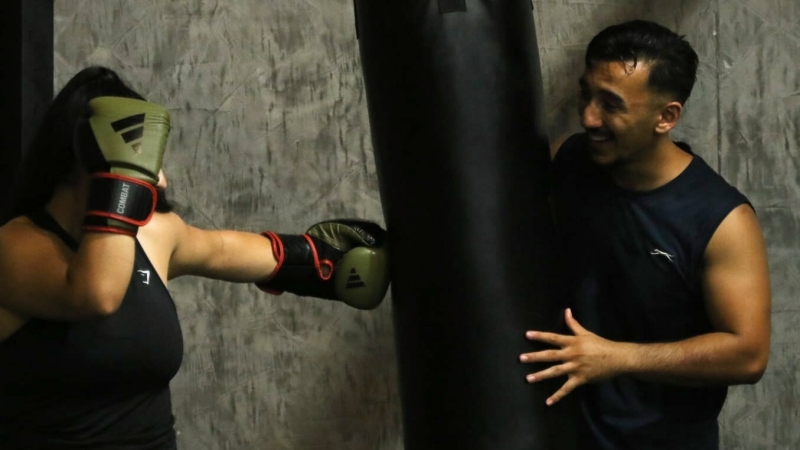
3. Start moving, gently. Begin with low-intensity activity: walking, light mobility work, or short sessions in a calm environment. As energy returns, progressive resistance training has the strongest evidence base for restoring both physical and mental resilience.
4. Protect sleep aggressively. Set a consistent sleep and wake time. Reduce screens after 21h00. Treat sleep as a non-negotiable recovery tool, not a reward for productivity.
5. Rebuild social structure deliberately. Isolation accelerates burn-out. Re-engaging with a small, supportive community, whether through group training, a coach, or a trusted colleague, has a measurable effect on recovery trajectory.
Can Exercise Help You Recover From Burn-Out in Brussels?
One question we hear often: is it safe to exercise during burn-out recovery?
The answer, supported by the research above, is yes, with caveats. Intensity should be low to moderate in the early stages. The goal is not performance. It is nervous system regulation, routine, and the gradual restoration of self-efficacy.
The encouraging news from Belgian data: nearly 8 out of 10 people find their way back to work within a year. British Psychological Society Recovery is not only possible, it is the most likely outcome, with the right support in place
Ready to Start Moving Again?
At My Fitness Journey Schuman, we work with Brussels professionals who are rebuilding their energy, structure, and physical resilience, often after periods of overwork or burn-out. Our small group and personal training sessions are calm, coached, and built around your current capacity, not a performance target.
Book a free introductory session No pressure. Just a conversation about where you are and what would help.
The Bottom Line
Burn-out in Belgium is not an individual failure. It is a documented public health issue affecting hundreds of thousands of workers and the science of recovery is clear: gradual reactivation, structured movement, protected sleep, and professional support are the four pillars that work.
If you are in Brussels and suspect you are heading toward burn-out, or already there, the most important step is to act early. The longer it is left, the longer the recovery takes.
The most common signs are persistent exhaustion that doesn't improve with rest, emotional detachment from work, reduced professional efficacy, and a growing sense of cynicism or emptiness toward your job. Recovery timelines vary, but Belgian data shows that nearly 8 in 10 people return to work within a year. Early intervention, including structured movement and professional support, significantly shortens recovery time. Yes. Research shows that moderate-intensity aerobic and resistance training reduces emotional exhaustion, lowers perceived stress, and restores energy, making it one of the most evidence-backed tools in burn-out recovery. Start with your GP for a formal assessment. For structured physical reactivation, My Fitness Journey Schuman offers coached sessions designed for professionals rebuilding their energy and routine.Burn-out-Recovery
What are the main signs of burn-out in Belgium?
How long does burn-out recovery take in Belgium?
Does exercise help with burn-out recovery?
Where can I get help for burn-out in Brussels?
- Independent Health Funds Belgium (Helan), 2025. mloz.be
- AG Health Partner, Burnout Assessment Tool, 2024. ag.be
- Kreston-VDN, Burnout in Belgium, 2025. kreston-vdn.be
- Belga News Agency / RIZIV data, 2024. belganewsagency.eu
- BMC Research Notes — Aerobic exercise and burn-out. bmcresnotes.biomedcentral.com
- JMIR Public Health — Physical activity and burn-out, 2024. publichealth.jmir.org